
The Lifeguard: On Discipline, Mercy, and the Responsibility of Second Chances
By Justin Hill
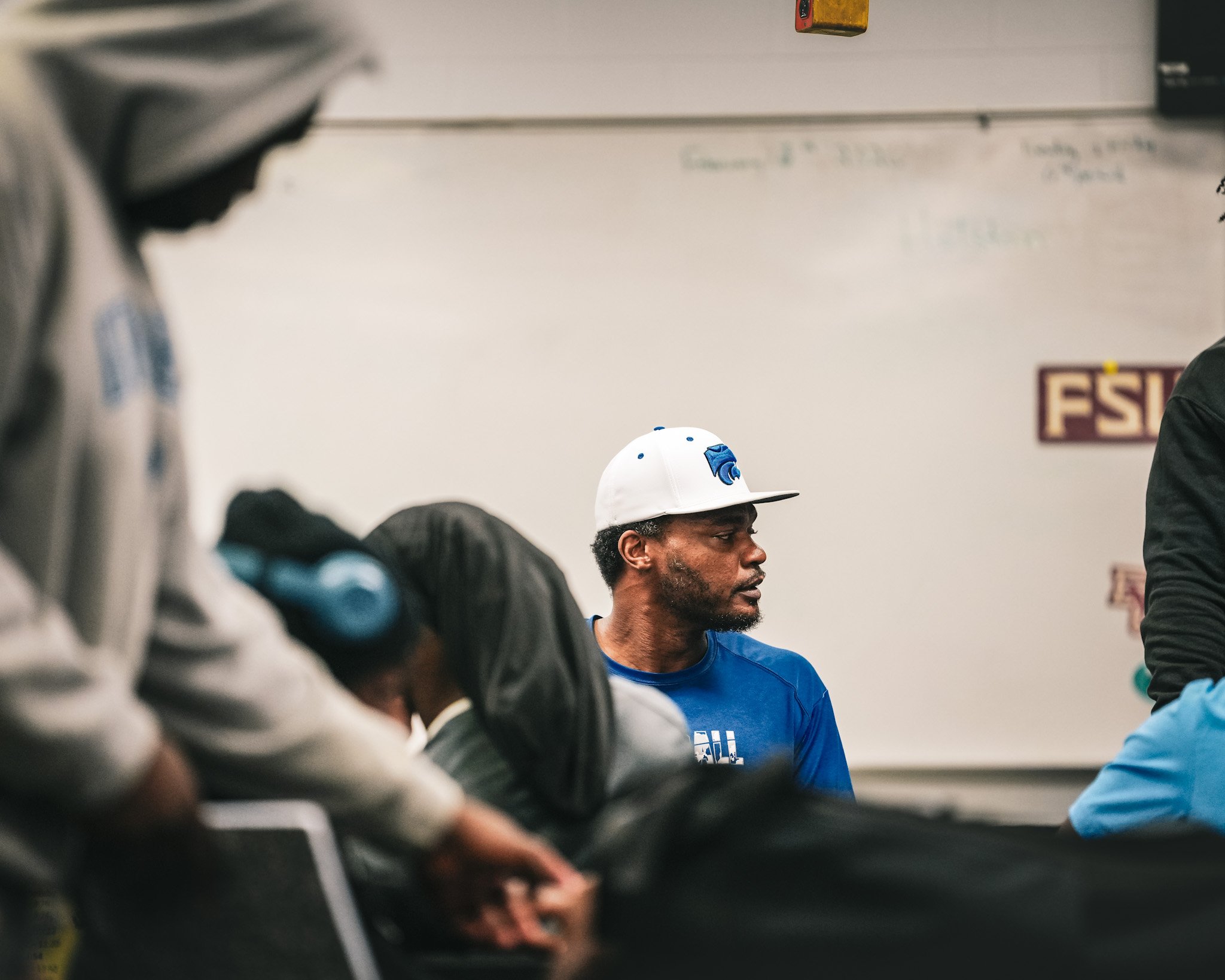
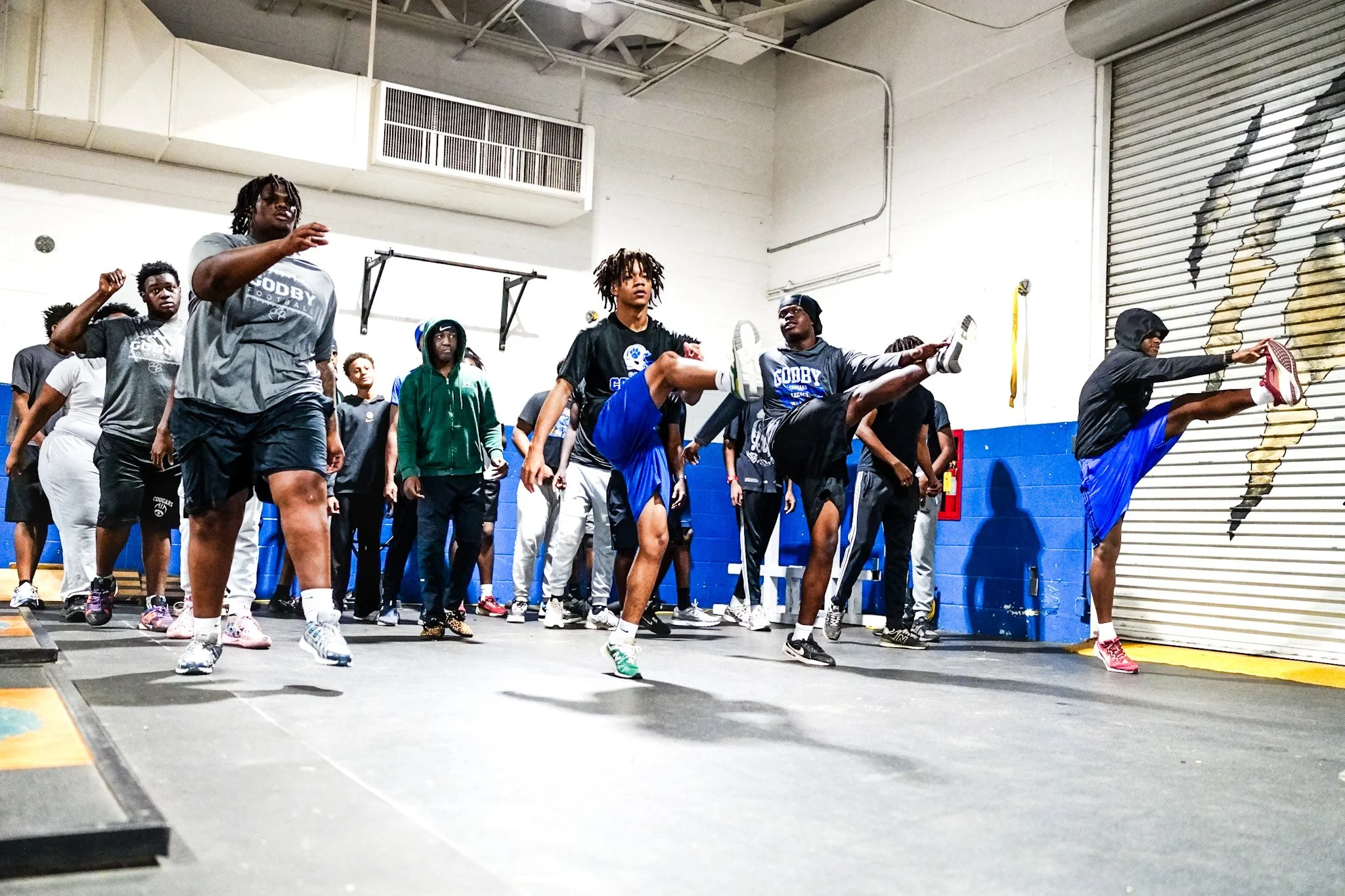
When I pulled into Godby that afternoon, I did not walk into football facilities so much as I walked into a culture. You could feel it before you saw it. The bass from the music, the echo of plates, the rhythm of teenage voices talking over each other, and the constant motion of bodies that are still growing into themselves. Sixth period at Godby is not just a class on the schedule. It is where the team gathers, where the day ends, and where the real work starts.
The weight room was the first place the truth showed itself.
It was loud, but not sloppy. It was intense, but not out of control. The music the boys listened to created a different kind of energy, and it mattered. It set the tempo, it set the emotion, and it signaled something I have learned to pay attention to in spaces full of young men: whether the room is being led or merely supervised. Music can be distraction when there is no structure. In Godby’s weight room, it was fuel. It was the soundtrack to discipline.
The air had that familiar mix of metal, sweat, rubber flooring, and effort. Boys moved in groups, not always in perfect order, but with purpose. You could see it in how they rotated, how they watched one another, how they performed for one another, and how they pushed past the moment where they wanted to quit. High school athletes carry a kind of bravado, but in that room it was not just performance. It was apprenticeship. They were learning how to suffer without falling apart, how to breathe through discomfort, how to hold form when tired, how to keep going when no one outside those walls would ever understand how hard it is to become something.
That is where John Holston stood out most to me.
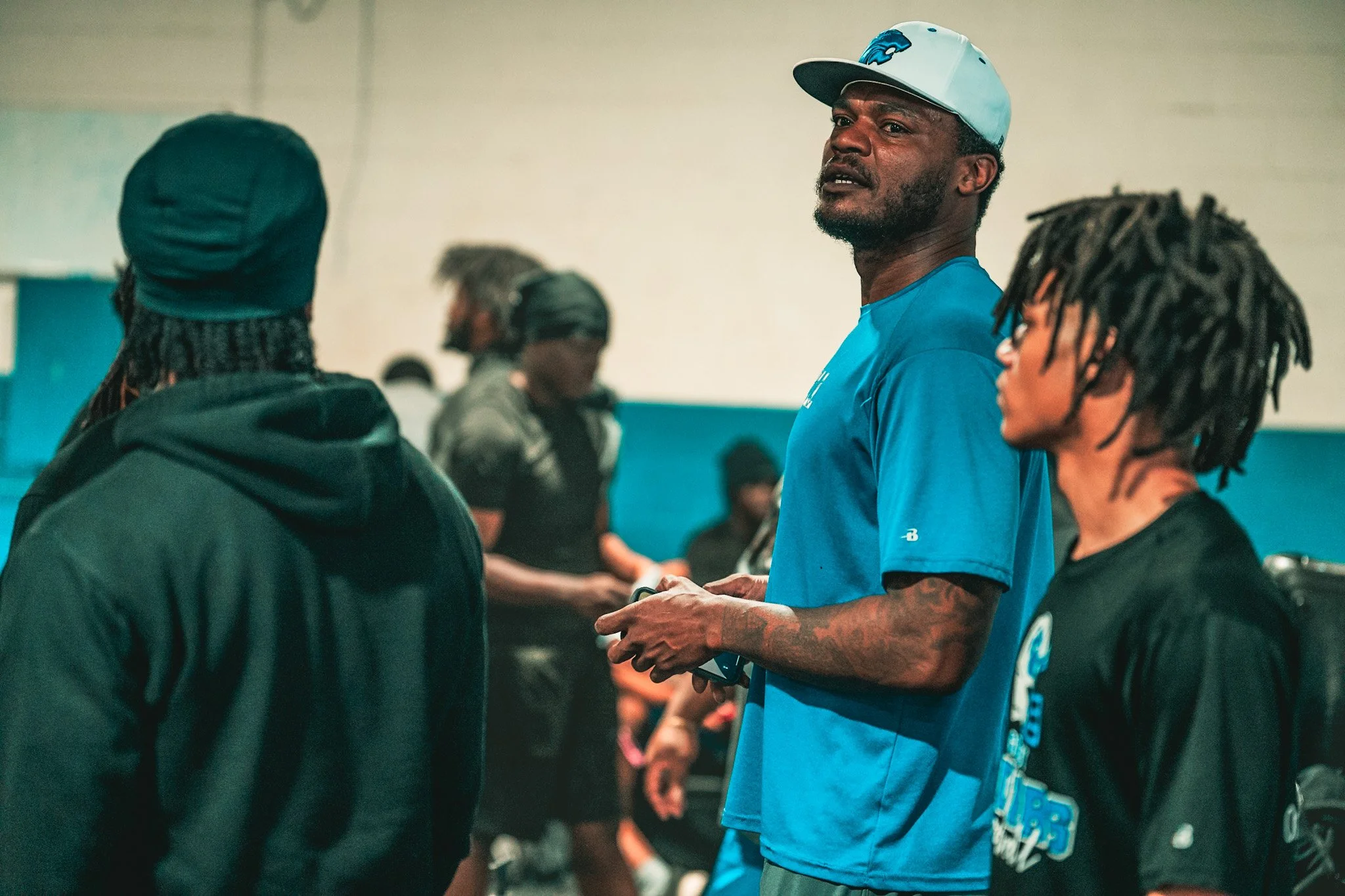
Not because he was yelling, although there was plenty of yelling. Not because he looked like a coach, although he moved like one. He stood out because he was present. He was not tucked away in an office with the door closed while assistants ran the show. He was in the middle of it. He was close enough to correct technique, close enough to catch attitude before it spread, close enough to read the body language of a kid who was quietly slipping. There is a difference between a man who manages and a man who shepherds. You could feel the difference in how the room responded to him.

At one point, it hit me that the weight room is where you learn what a team really believes. It is easy to look disciplined on Friday night when the stadium lights turn on and the crowd is watching. It is harder to be disciplined on an ordinary day, in a cramped room, when your legs are heavy, your lungs burn, and the only applause you might get is a teammate clowning you while you try not to break. That is where you learn whether a program has substance. Godby’s room had substance.
John’s leadership in that space did not come across like a man forcing respect. It looked like a man earning it through proximity. He allowed the boys to be themselves without letting them become careless. He could joke with them without surrendering authority. He could speak their language without losing the ability to correct them. I walked in with the same question a lot of adults carry when they see a young coach who relates well: does that relationship cost him seriousness? As the workout unfolded, the question answered itself. Those boys were not responding to performative toughness. They were responding to a coach who had their attention because he had their trust.
Later, on the turf, the same dynamic intensified.
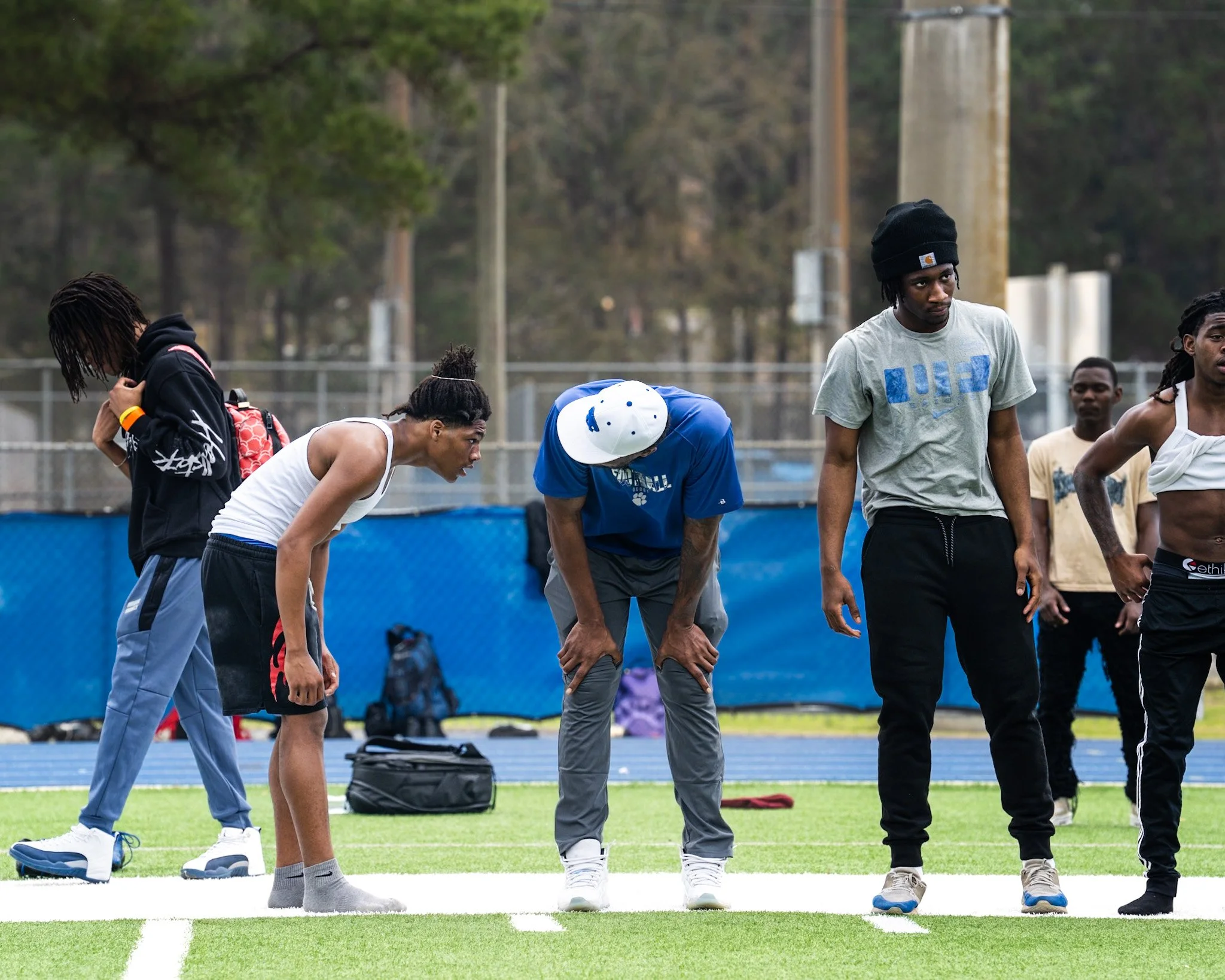
The drills were simple, but the standard was not. The coaches were loud, and the energy was high, and the instructions were non-negotiable. Touch the white line! Touch the white line! If you do not touch it, the repetition does not count, and everybody is running it again! It was one of those moments that sounds small on paper, but in person it carries drama because it exposes character. You could hear the urgency in the coaches’ voices and see the frustration in the players’ faces when somebody cut it short. It was accountability in real time. Nothing about it felt staged for a camera. It felt like the daily rhythm of a program trying to build something lasting.
Watching John out there, I saw a coach who was not hiding behind his staff. He moved up and down the line, scanning, correcting, and reinforcing. He was close enough to the action that the players could not pretend. That matters. Leadership from a distance can keep order, but it rarely builds culture. Culture is built when the leader is close enough to be felt.
The day had already given me enough to write about, even before we sat down to talk, but the conversation is where the story turned from observational to personal.
I asked him about Louisville because, like most people who have heard pieces of his background, I knew the headline: former Division I athlete whose path got disrupted. What I did not know was the texture of it, the step-by-step unraveling, and how quickly promise can become pressure when a young man is not ready for what comes with being the guy.
John told me he arrived at Louisville and redshirted, but even as a redshirt he traveled. Back then, he explained, a redshirt was not the modern version where you could play a little and still keep the year. If you played, you burned it. Louisville was not a place where you casually “got on the field.” It was high-level football with real expectations, and he was close enough to the action to feel both the opportunity and the demand.
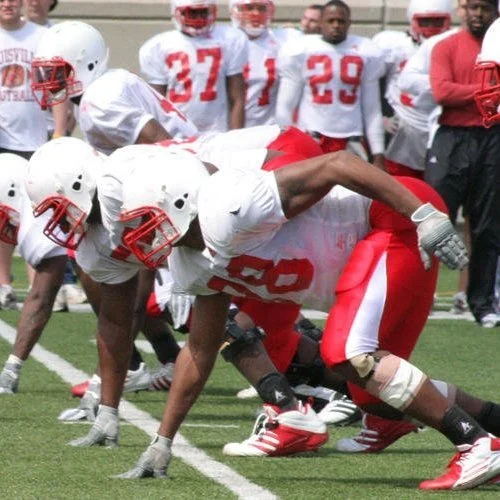
By the next camp, his confidence rose. He came in as second string, and by the end of camp he had earned the starting job. That part matters, because it tells you he was not just an athlete who existed on a roster. He was climbing. He was building momentum. He was becoming known. The kind of trajectory that changes how your hometown talks about you. The kind of trajectory that changes how your family imagines the future.
Then his ankle broke.
Five screws. Surgery. Recovery. He came back late in the season and played again, even getting snaps in meaningful moments, but the injury was not only physical. It shifted his routine. It exposed immaturity. He told me plainly that his grades dropped because he was not walking to class in the snow on crutches. He said it almost casually, but I heard the deeper truth in it. That was the first crack. Not the ankle, but the mindset. A young man who starts making exceptions for himself is already negotiating with the standards that once held him.
He was also honest about the smoking. He said he had started earlier than people might assume. Louisville did not introduce him to that world. It simply gave him more freedom inside it. He described failed drug tests as part of the spiral. He described a new coach arriving after Bobby Petrino left for the Atlanta Falcons, right in the same season Michael Vick got arrested, and he framed it as one of those turning points in life when the leadership above you changes and suddenly the margin you used to live in disappears.
John said the athletic director tried to reassure him that the new coach would be a “player’s coach,” and that the program would be fine, but the reality was different. The coach who came in did not just discipline. He removed. John described that coach as someone who did not like him, and he talked about how a wave of players were either dismissed or transferred during that period. In that environment, John’s prior mistakes mattered more. He was no longer just a talented athlete with issues. He was, in the eyes of a new regime, a liability.
The final blow came through academics, but not in the clean way people like to imagine. It was a class assignment. A girl completed his work, he said, and he did not realize she had done it the same way for several other players. The plagiarism flags came down on all of them, but John’s outcome was different. Others were allowed to retake the class in summer school. John was not. The coach called him while he was on spring break, told him he was trying to build the team the right way, and said he did not believe John had the kind of character he wanted around the program.
John told me it broke him.
I do not mean “broke him” in the dramatic sense people use online. I mean broke him in the way a young man breaks when the thing he built his identity around collapses under the weight of his own decisions. It was not without warning. The warning had been there the whole time, in every small compromise that seemed survivable. The warning was simply that youth convinces you consequences can always be postponed, and then one day you find out they cannot.
When John said what happened next, he did not dress it up.
He said he was burglarizing. He used the word “robbing” at first, and I understood what he meant in conversation, but the distinction matters. What he described was burglary. He and others broke into a man’s home, believing there was significant cash inside. It was not a single bad night. It eventually turned violent when a weapon was involved.
When he told me that, my first instinct was judgment.
I am a police detective. I have spent my career learning what violence does to a community. Even when the target is a drug dealer, a burglary like that does not stay contained. Gunfire does not stay moral. It moves through neighborhoods. It misses the intended target and finds someone else. People become collateral in ways nobody plans for at the beginning of a crime.
So yes, I felt conflict.
I did not stay there, but I felt it.
Then I listened.
John described the final encounter with a clarity that still sits with me. He saw the homeowner. He saw a gun. He described the moment as if he could still feel the air shift. Shots were exchanged. He wrecked his car in the aftermath. He lied about what happened. He got caught. He entered the system the way many young men enter it, stunned that the story turned out differently than the fantasy they told themselves.
He said he ended up on diversion. He spoke of probation, hours, and the long haul of consequences that cannot be talked away.
Then he told me about the judge.
In a courtroom, he expected prison. That expectation matters because it reveals he understood, at least by then, what his choices had earned. His lawyer told the court he had an opportunity to go to college. The judge paused and told him she had been planning to send him to prison that day. She said she felt wrong taking that opportunity away from him. She gave him a chance, but she did not give him a pass. She gave him conditions, a warning, and a narrow path forward.
It is difficult to explain what a decision like that means without either romanticizing it or dismissing it as luck. The truth is, it is neither.
It is mercy.
Mercy is not the absence of consequence. Mercy is the presence of possibility inside consequence. Mercy says, “You have earned punishment, but I am going to leave room for your life to become something else.”
John and I talked about God in that same lane. Not a shallow version of faith where you sit back and wait for blessing. We talked about the kind of faith that requires movement. John spoke as if he understood that doors open when God sees fit, but doors opening does not matter if you have not done the work to walk through them. I told him something I believe deeply: God can place opportunity in front of you, but if you are not building discipline, stability, and readiness on your end, that opportunity will not become anything.
John’s life, as he told it, kept proving that point.
He applied for his Florida teaching certificate and was denied. He appealed. He had to write letters, sit before a board, and explain his story with full accountability. They could have shut him down permanently. Instead, they granted certification on a probationary basis, not because they ignored the record, but because they believed the trajectory.
That same theme showed up again in his work history.
He worked as a paralegal and, through that job, learned enough about procedure to discover something most people would never know to look for. In one of his cases, the final judgment had not been signed in the required timeframe, and that technical error allowed a legal remedy that helped clear part of his record. Some people might hear that and reduce it to “getting away with something,” but that misses the larger point. The knowledge did not appear in his hands by accident. He gained it through work. Through showing up. Through learning. Through being in environments that sharpened him rather than environments that destroyed him.
Even the principal at Godby, from what I observed and what John suggested, did not run from the story. He understood that John’s history was not an embarrassing footnote. It was context. It explained why he could stand in a weight room full of young men and lead without pretending. It explained why he could relate without losing seriousness. It explained why he could correct without humiliating, because he knows what humiliation can do to a young man who already feels unstable.
That is what I witnessed across the day, from sixth period into the after-school grind.
I witnessed a coach who demanded standards loudly and clearly, but I also witnessed a coach who cared loudly and clearly.
The protein shakes mattered more than I expected.
It would be easy to overlook that moment as a small, almost comedic detail in the middle of a workout, but it was not small. It was symbolic. In a cramped space, surrounded by teenage hunger, John was not acting like a man above his players. He was serving them. He was literally pouring something into them while they were exhausted. It was a simple act, but it was the kind of act that builds trust in ways speeches never will. Teenage boys do not always remember the motivational quote you posted on the wall, but they remember who fed them when they were spent. They remember who stayed when it was inconvenient. They remember who did not treat them like numbers.
There is a certain kind of masculinity that only exists in spaces where men are building boys. It is rough around the edges, it is unpolished, and sometimes it is loud enough to offend outsiders. But inside that environment, what matters is whether love is present. Whether the boys are being shaped. Whether the standard is real. Whether the men in charge are consistent.
When I left Godby, I felt relief because I had captured the first layer of John’s life on camera, but I also felt relief because I had witnessed something rare.
I witnessed leadership that refuses to hide behind seriousness.
In my line of work, seriousness is often a mask. It can be professionalism, but it can also be fear. Fear of being seen as human. Fear of being misunderstood. Fear of being judged. People lock themselves into that posture and call it maturity, but what it often produces is distance.
John lives differently.
He steps into the messy reality of teenage boys and chooses relationship first, not because he wants to be liked, but because he understands that boys will not follow a man they do not believe cares about them. He demands respect, but he earns it through presence. That presence is not soft. It is not permissive. It is not careless. It is invested.
The day forced me to confront a truth about my own assumptions.
If I had known the details of his past without hearing his voice, without watching the way he moved among his players, without seeing the evidence of his present life, I might have questioned whether he was the right man to lead young men.
That is uncomfortable to admit, but it is honest.
Then I remind myself of something I believe is central to what BlackDad is becoming. Redemption paired with testimony is one of the most powerful forms of leadership a man can offer. Not because the past is impressive, but because the transformation is. A man who is not afraid to name his failures is often the man most capable of reaching boys who are walking toward their own.
John’s story is not inspiring because he did wrong and later did right. His story is compelling because he is living proof that a life can be rewritten when mercy meets work.
A judge gave him a chance. A board gave him a chance. A principal gave him a chance. None of them erased the record. They weighed it against what he became.
The most important part, though, is that John did not waste those chances.
He did the work.
Now he stands on a field in Tallahassee, blowing a whistle, demanding that boys touch the white line, not because the line itself is sacred, but because discipline is. He teaches them, in ways they may not understand until years from now, that shortcuts always cost you later. He teaches them that your choices will eventually show up in your life whether you are ready or not. He teaches them that you can change, but only if you are willing to be honest about what needs changing.
At some point during our conversation, he described his approach in a way that has stayed with me. He said he is more like a lifeguard than an umpire. He is not there to call every small infraction and build a program off punishment. He is there to watch the boys who are drifting and pull them back before they go too far.
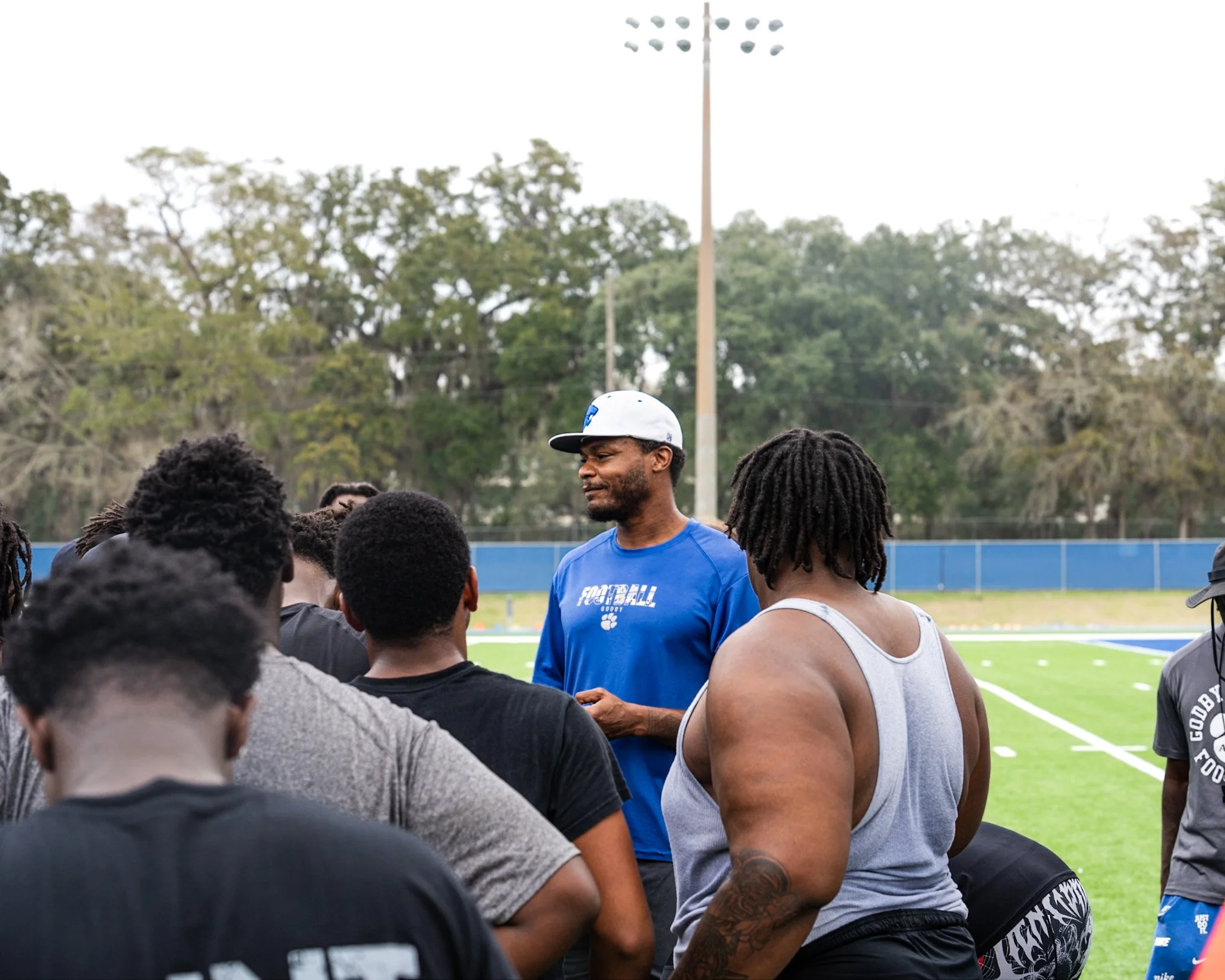
A lifeguard is not gentle because the ocean is gentle. A lifeguard is urgent because the ocean is not.
John knows what it looks like to go too far.
He also knows what it looks like to be pulled back.
That is why his presence matters, and that is why his story deserves to be told.