
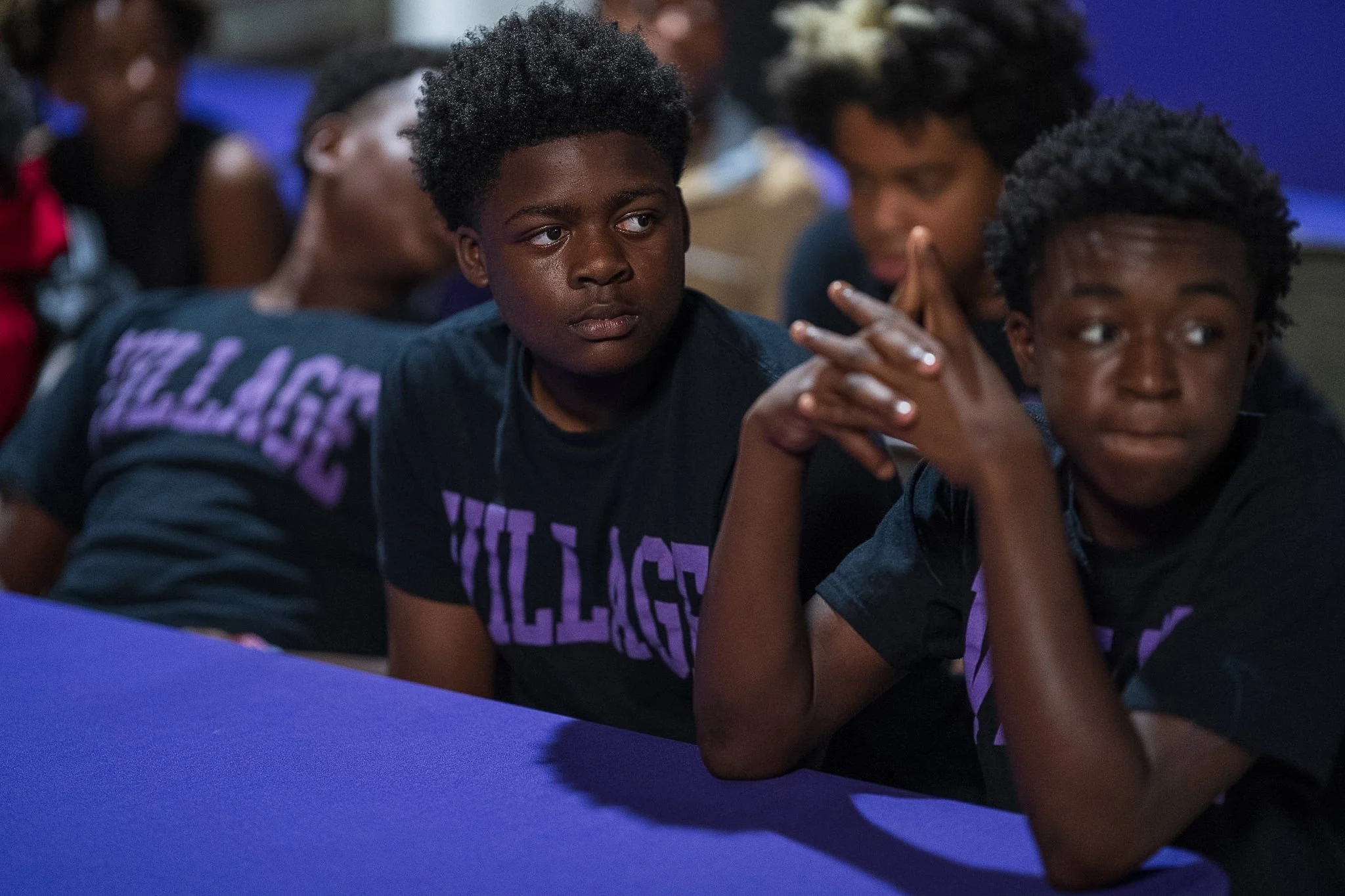
By Justin Hill
The boys were doing what boys do.
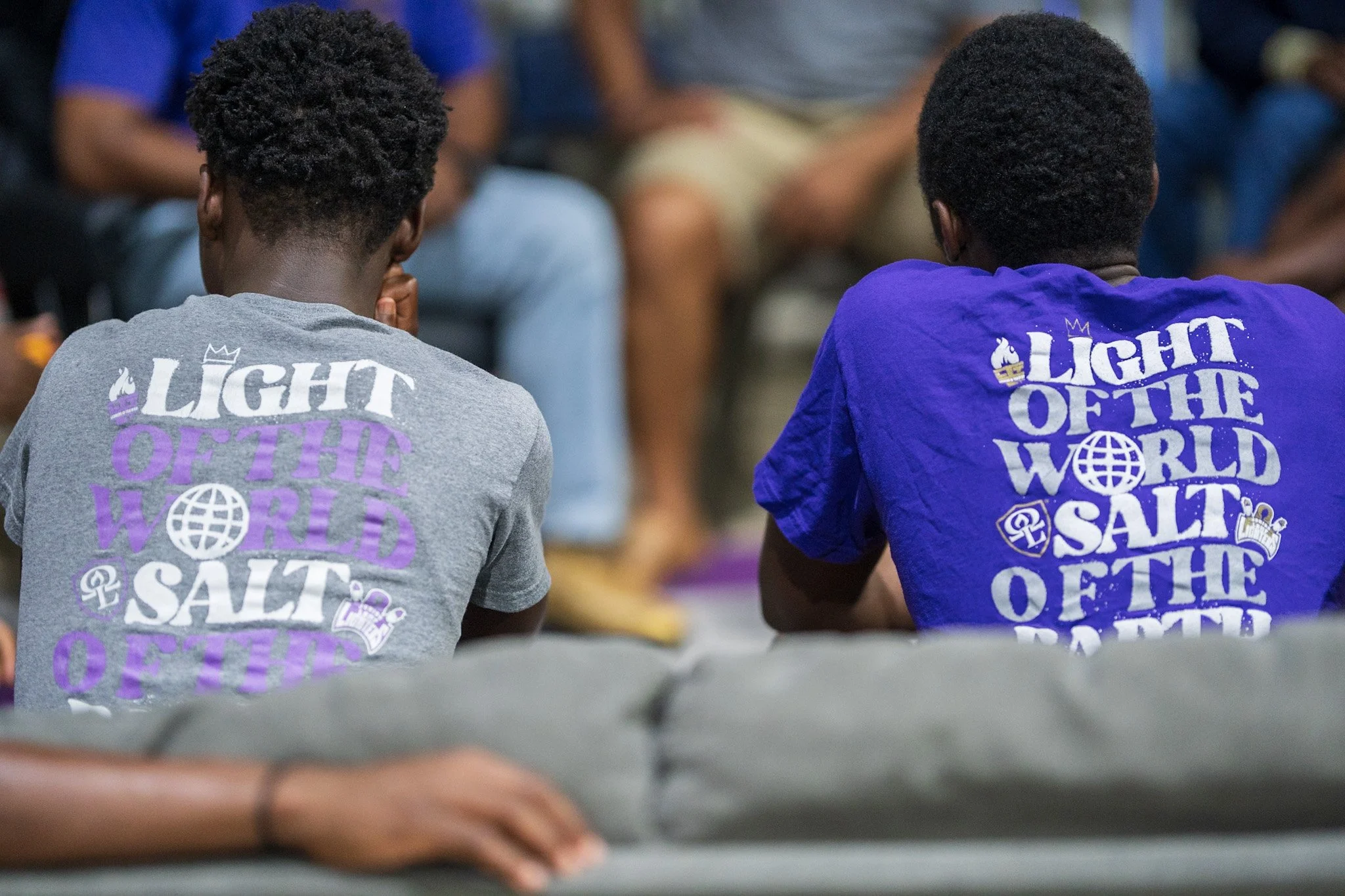
Some were stretched out on couches, scrolling through their phones. Others were running around, laughing, talking, and enjoying each other's company. Inside a metal building on Mills Street, complete with lounge areas, tables, a refrigerator, and a loft, the Omega Lamplighters had created something resembling a teenage boy's dream hangout spot.
There was structure, adult supervision, and plenty of room to simply be a kid.
Watching them, I couldn't help but appreciate what this organization represents. As a Black man, father, police officer, and Tallahassee native, these are the kinds of spaces I wish every young boy had access to. Places where they can be guided without being robbed of their childhood.
But that afternoon, childhood was about to share the room with something much heavier.
A week earlier, gunfire erupted on Perry Street. Eleven people were shot, including six juveniles. One of those victims was just 11 years old.
The Lamplighters had invited their young men, parents, mentors, and community members together to talk about what happened. The goal was simple. Give the boys an opportunity to express themselves, ask questions, and begin processing the violence that had shaken their community.
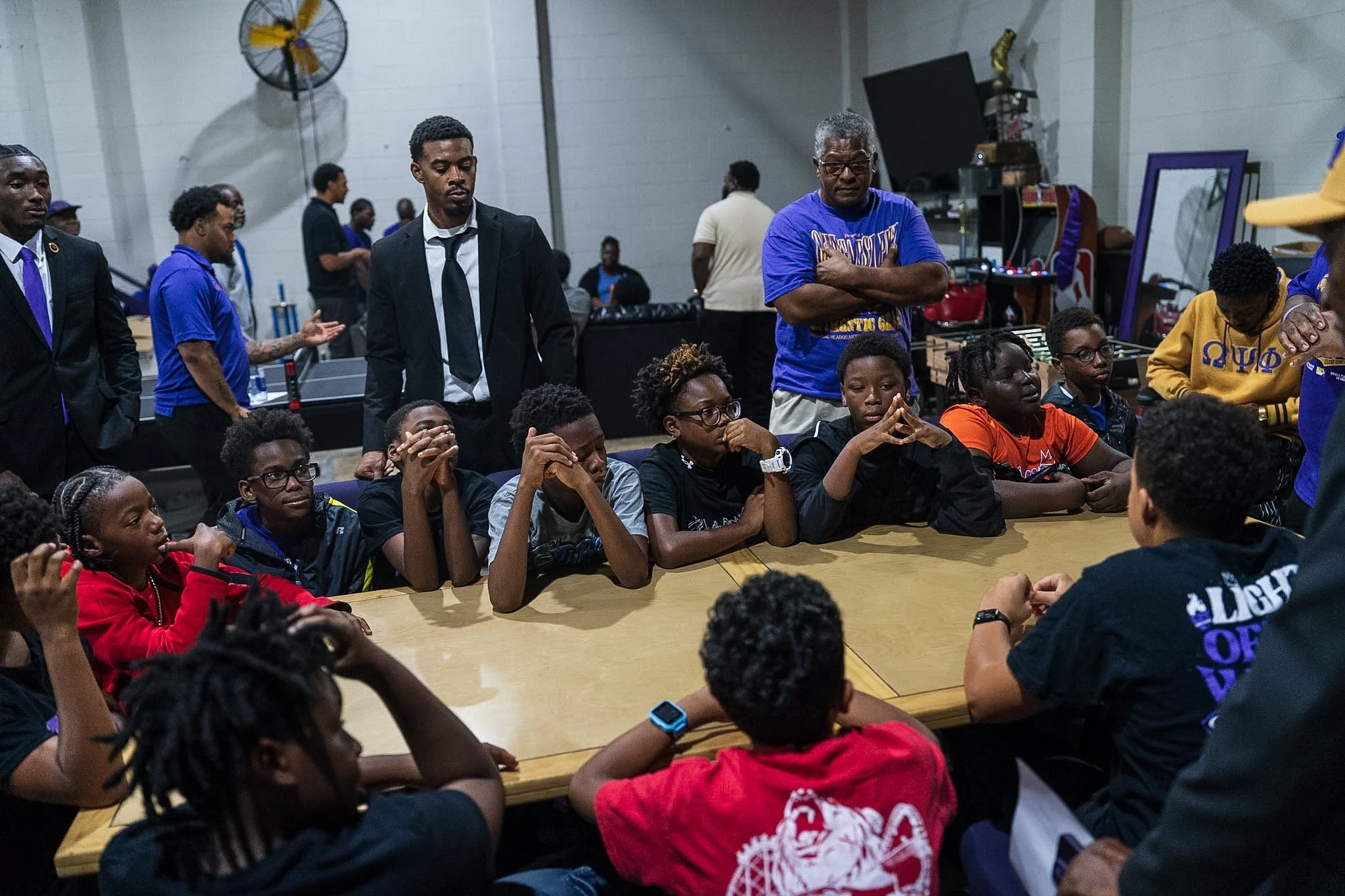
What I didn't realize was how many of them had been there.
As the boys rotated through breakout discussions, adults repeatedly asked who had been on Perry Street when the shooting happened.
Hands went up.
One boy had been there. Another had been there with his mother. Another raised his hand from across the table.
By the time the discussions ended, I counted at least ten Lamplighters who had been on Perry Street that night. Ten children.
These weren't boys discussing something they had simply watched on television. They had been out enjoying Homecoming when fights broke out and gunfire followed.
And now, sitting safely inside their clubhouse, some struggled to explain what they had experienced.
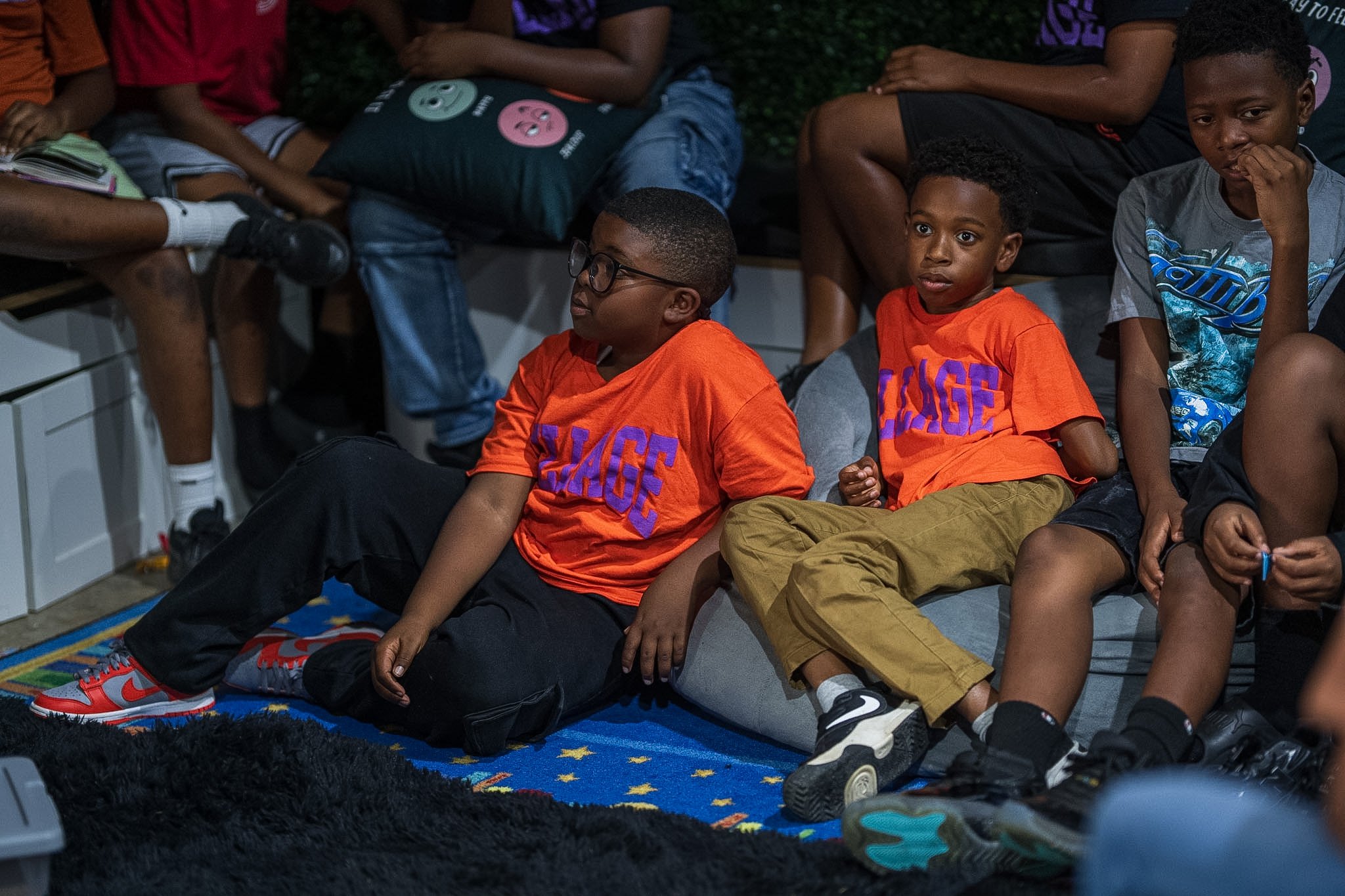
A few of the younger boys giggled during the conversations. At times, their responses seemed almost dismissive, as though they didn't fully appreciate the seriousness of what had happened.
My initial reaction was frustration.
But these were middle schoolers. They're still learning how to understand their emotions, much less explain them to a room full of grown men. Perhaps the laughter was immaturity. Perhaps it was discomfort. Perhaps they simply didn't know what else to do.
I don't know. And I had to remind myself that not every reaction I struggle to understand deserves criticism.
One boy, however, stayed with me.
When asked about the shooting, he flatly expressed that he was tired of talking about it. He waved his hand as though brushing the entire subject aside and rolled his eyes.
Some of us became frustrated. We were there to listen, to help these boys open up, and here was a young man seemingly refusing to participate.
I'll admit, my instincts as a detective took over.
I wondered whether he was trying to appear tough or avoiding saying something he knew. I watched him more closely, paying attention to what he said and what he didn't.
But after the gathering, conversations with his mother and counselors changed how I viewed him.
This was a child who had already experienced difficulties in life. And now, whatever he had seen or experienced on Perry Street had become another thing he was being asked to revisit.
Maybe he wasn't trying to be tough. Maybe he really was tired. That realization bothered me, partly because I understood more than I initially wanted to admit.
On the drive to the gathering, I told my wife something I had been struggling with since the shooting.
I cannot stop thinking about the 11-year-old boy I saw lying on Perry Street, bleeding from his head.
Every time that image returns, my mind does something I cannot control. It replaces that little boy with my three-year-old daughter.
I don't ask it to happen. It just does.
I've spent years in law enforcement. I've seen babies lying lifeless in the arms of EMTs. I've stood over bodies torn apart in traffic crashes. I've witnessed suffering, violence, and the devastating consequences of decisions that can never be undone. There isn't much I haven't seen.
But something about that 11-year-old boy lying on Perry Street has stayed with me.
I can still see his eyes.
Wide open, staring up as officers worked desperately to save his life. He never said a word. He didn't have to. The fear in his eyes said more than his voice ever could. I don't know what was going through his mind in those moments, but I know what I saw. A little boy lying on a grassy hill, bleeding from his head, surrounded by strangers fighting to keep him alive.
I've seen death. I've seen people fight for their lives. But there's something profoundly disturbing about looking into the eyes of a child who should have been worried about nothing more than enjoying his night, only to find himself lying on the ground, fighting to survive.
And no matter how many years I've worn this badge, I don't think I'll ever get used to that.
He could have been anybody's child.
He was out enjoying a moment, and somebody else's decision to fire a gun changed everything.
I went to the Lamplighters gathering with my camera, but photography wasn't the only reason I wanted to be there. I wanted to hear those boys because I was still trying to process what I had witnessed myself. I was trying to figure out how to carry those memories through another workweek and still be present for my wife and daughters.
And there I was, expecting children to explain feelings that I, a grown man, was still struggling to understand.
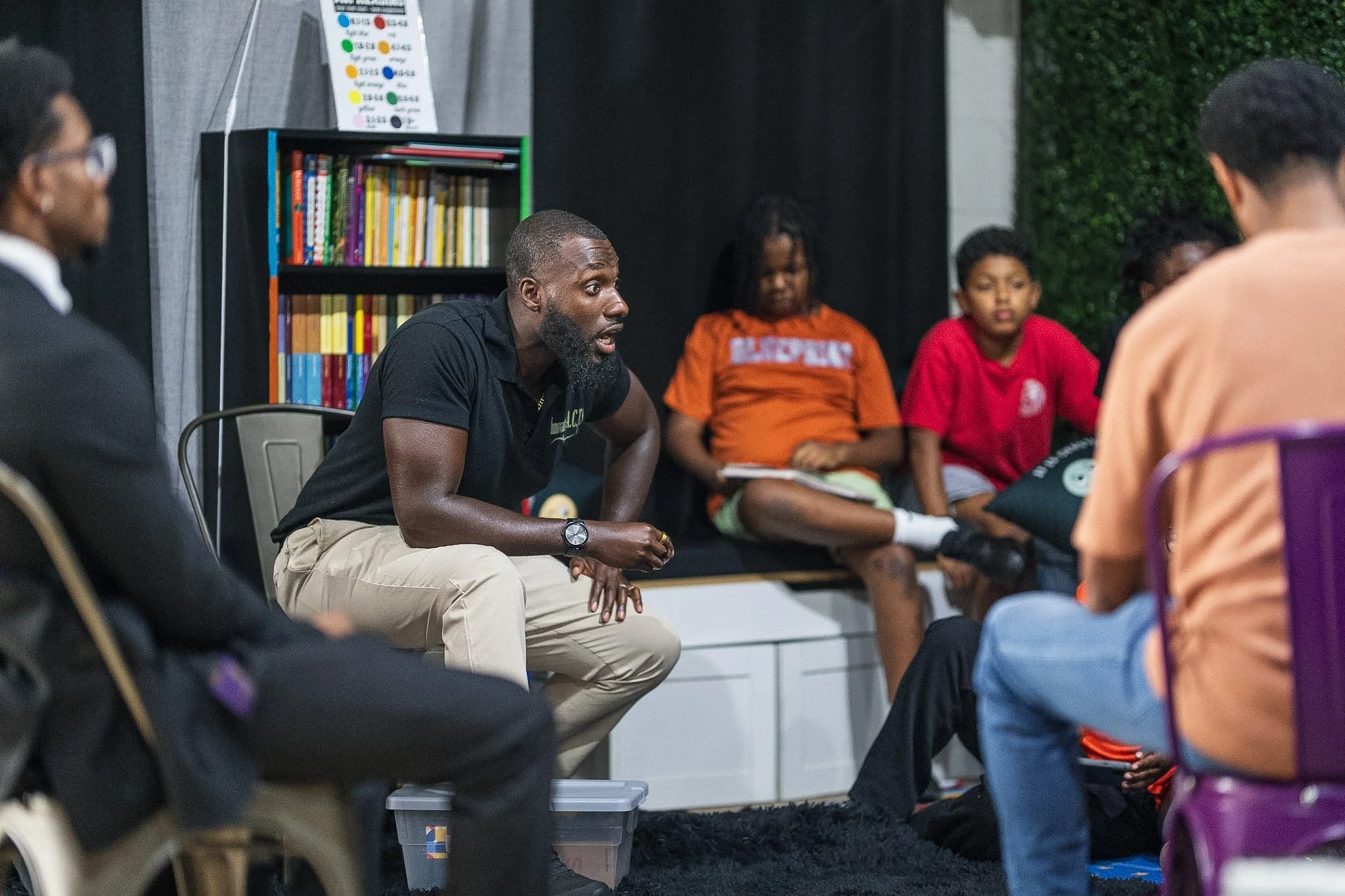
But another part of the conversation troubled me just as much.
Some of the boys expressed a belief that having a gun was becoming necessary for personal protection.
Think about that.
Children who are still years away from legally purchasing a firearm are already imagining a future in which they may need one to protect themselves from their own peers.
I worry about what happens when that belief becomes normal.
When children begin to see guns as a necessary part of growing up, violence stops looking like an exception and starts looking like something they should prepare for.
That's the desensitization I've been struggling to put into words since Perry Street.
Not every boy in that room felt the same way. Some understood the seriousness of what happened. Others seemed to struggle with it. But hearing young people discuss the possibility of arming themselves should concern every adult responsible for helping them navigate this world.
At one discussion table, an older gentleman repeatedly emphasized three words.
"Choices, Decisions, and Consequences."
He repeated them as each new group arrived.
And he was right.
The people we surround ourselves with, the environments we repeatedly choose to enter, and the decisions we make all have consequences. But there's an important distinction. Being present in a public place does not make a child responsible for somebody else's violence.
The decision to pick up a gun belongs to the person who picks it up. The decision to pull the trigger belongs to the person who pulls it.
And the consequences often fall on people who never had a choice at all.
Tallahassee is an interesting place. It's not quite a big city, but it isn't a small town either. Within its Black community, though, the distance between strangers can be surprisingly short.
We're often only one connection away from someone else's tragedy.
Seeing how many Lamplighters had been on Perry Street made that reality impossible to ignore.
Any one of those boys could have been among the wounded. Any one of them could have been someone I loved.
I left the gathering with more questions than answers.
Some boys talked. Others struggled. One didn't want to talk anymore. The adults listened, encouraged, questioned, and occasionally struggled to understand what they were hearing.
And I walked away realizing that helping these young men process what happened was, in some ways, part of my own effort to do the same.
We ask children to speak up when something is wrong. We tell them to make good decisions, stay out of trouble, and surround themselves with positive influences.
These boys are part of an organization built around those very principles.
Yet at least ten of them were on Perry Street when bullets started flying.
They did not all have the words to explain what that night meant to them.
I'm still searching for some of those words myself.
And what troubles me most is that while we're trying to teach these boys how to become men, some are already wondering whether becoming a man means having to carry a gun.